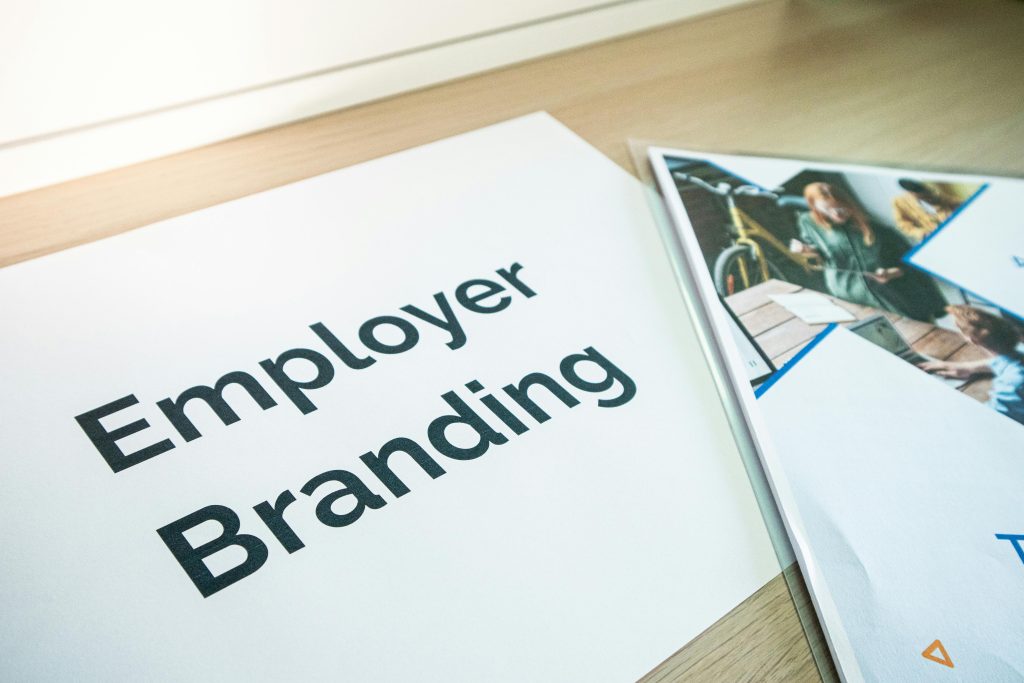
What employer branding means in fashion and luxury
In the fashion and luxury industry, employer branding goes far beyond traditional recruitment. It reflects how talent perceives a company as an employer and the overall experience it delivers throughout the employee journey.
In a sector where external brand image is highly refined, the internal perception as an employer has become equally strategic. Companies are no longer competing only for customers, but also for highly skilled professionals who seek alignment with values, culture, and vision.
Why salary is no longer enough
For many years, salary was the main driver in attracting talent. Today, that is no longer sufficient, especially in the highly creative and identity-driven world of fashion and luxury.
Professionals expect more than financial stability. They look for meaning, growth opportunities, and an environment aligned with their personal values. Salary remains important, but it is no longer a key differentiator. Companies relying solely on compensation often struggle to retain talent in the long term.
What talent is really looking for today
Professional growth
Career development has become a core expectation. Talent wants clarity on progression paths and future opportunities within the organisation.
Continuous learning
In a constantly evolving industry, learning is essential. Companies that actively invest in training and development create more attractive and sustainable workplaces.
Flexibility
Flexible work models are no longer a benefit but an expectation. They represent trust, modernity, and a healthier work-life balance.
Brand values
Especially in fashion and luxury, values play a decisive role. Sustainability, authenticity, and cultural consistency strongly influence talent decisions.
How to build a strong Employee Value Proposition
A strong Employee Value Proposition is built on authenticity and clarity. It is not about creating an idealised message, but about highlighting what truly makes an organisation unique.
Consistency between internal reality and external communication is essential. When both are aligned, the employer brand becomes credible, helping attract and retain talent more effectively.
Mistakes that hinder talent attraction
One of the most common mistakes is a disconnect between the image presented during recruitment and the actual employee experience. When expectations are not met, trust is quickly eroded.
Lengthy or unclear hiring processes also negatively impact the candidate experience. In a competitive market, every interaction shapes perception and influences decision-making.
In addition, limited internal development opportunities reduce long-term retention and weaken employer attractiveness.
Examples of successful employer branding
Leading employers in fashion and luxury understand that employee experience is a core part of their brand strategy. Employees are not seen as resources, but as an integral part of the brand itself.
These companies invest consistently across the entire employee lifecycle, from first contact to long-term development within the organisation.
How Luxe Talent supports employer branding
In an increasingly competitive talent market, a strong employer branding strategy is essential to stand out.
Luxe Talent supports fashion and luxury companies across international markets in defining and strengthening their employer brand. Through deep industry expertise and a people-centric approach, we help build positioning that is credible, distinctive, and sustainable over time.
For more tips and industry updates, follow us on our channels: LUXE TALENT on Instagram and LUXE TALENT on LinkedIn